About
Held on 28–29 October 2025 in Helsinki, the Sustainable Urban Mobility Plan (SUMP) training brought together 34 dedicated urban transport specialists for an intensive capacity-building event. This training marked the third event in Phase II of the SUMP training series, which is organised by the European Investment Bank (EIB) on behalf of the Directorate-General for Mobility and Transport of the European Commission.
The event included a total of 9 training modules (3 core and 6 electives) on SUMP-related topics that provided a detailed overview of the challenges and best practices in establishing SUMPs.
The training began with introductions by Edgar Pyhälä, Senior Specialist, Ministry of Transport and Communications, along with EIB Senior Loan Officer / Public Sector Reija Ylönen, followed by a tour de table. The training was provided by Christiaan Kwantes, Kristina Gaučė and Mark Finer.
During the first day trainees reviewed the basics of SUMP methodology and practice, explored the link between strategic plans, programming, pipeline and project preparation, and discussed the interface between local and strategic transport. The day finished with discussions on multi-modal plan scenario building in SUMPs, and demand management.
The second day covered sessions on SUMPs for small and medium sized cities, transport decarbonization and inclusive and accessible mobility. The training session ended with a discussion on freight and logistics, before the final wrap-up and conclusions.
Thanks are due to Maija Stenvall and the rest of the team at the Ministry of Transport and Communications (Traficom) for their active support with arrangements and with the staff at Allas Pool for their assistance with the venue logistics.
Photo gallery
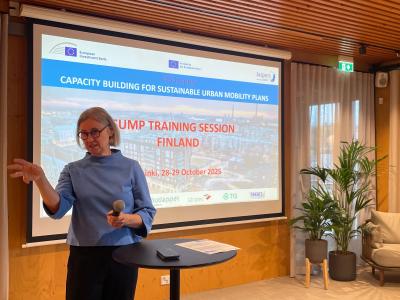
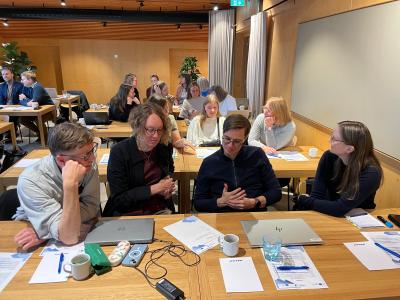
Held on 28–29 October 2025 in Helsinki, the Sustainable Urban Mobility Plan (SUMP) training brought together 34 dedicated urban transport specialists for an intensive capacity-building event. This training marked the third event in Phase II of the SUMP training series, which is organised by the European Investment Bank (EIB) on behalf of the Directorate-General for Mobility and Transport of the European Commission.
©EIB
download original
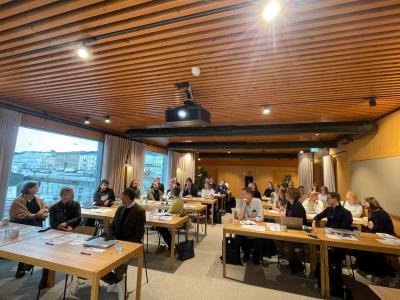
Held on 28–29 October 2025 in Helsinki, the Sustainable Urban Mobility Plan (SUMP) training brought together 34 dedicated urban transport specialists for an intensive capacity-building event. This training marked the third event in Phase II of the SUMP training series, which is organised by the European Investment Bank (EIB) on behalf of the Directorate-General for Mobility and Transport of the European Commission.
©EIB
download original
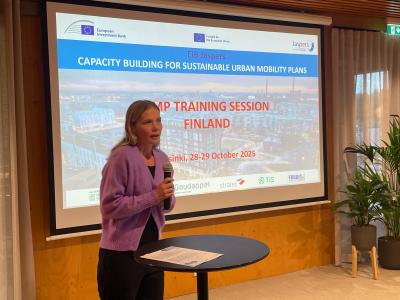
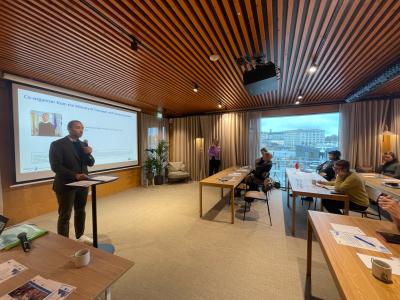
Held on 28–29 October 2025 in Helsinki, the Sustainable Urban Mobility Plan (SUMP) training brought together 34 dedicated urban transport specialists for an intensive capacity-building event. This training marked the third event in Phase II of the SUMP training series, which is organised by the European Investment Bank (EIB) on behalf of the Directorate-General for Mobility and Transport of the European Commission.
©EIB
download original
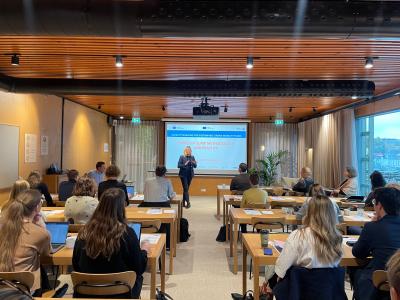
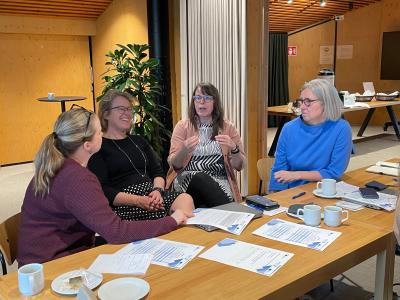
Held on 28–29 October 2025 in Helsinki, the Sustainable Urban Mobility Plan (SUMP) training brought together 34 dedicated urban transport specialists for an intensive capacity-building event. This training marked the third event in Phase II of the SUMP training series, which is organised by the European Investment Bank (EIB) on behalf of the Directorate-General for Mobility and Transport of the European Commission.
©EIB
download original
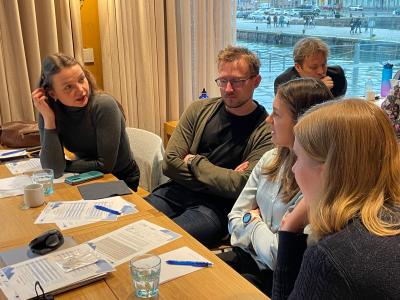
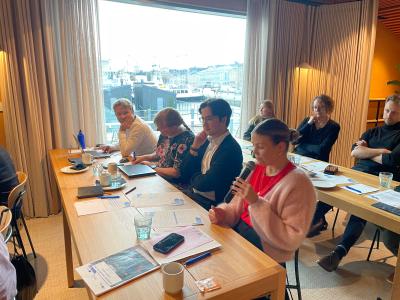
Held on 28–29 October 2025 in Helsinki, the Sustainable Urban Mobility Plan (SUMP) training brought together 34 dedicated urban transport specialists for an intensive capacity-building event. This training marked the third event in Phase II of the SUMP training series, which is organised by the European Investment Bank (EIB) on behalf of the Directorate-General for Mobility and Transport of the European Commission.
©EIB
download original
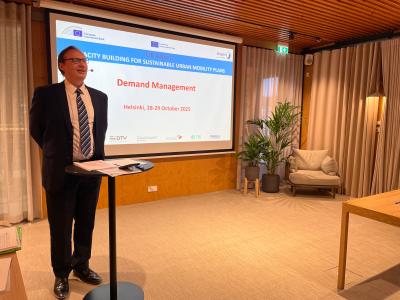
Held on 28–29 October 2025 in Helsinki, the Sustainable Urban Mobility Plan (SUMP) training brought together 34 dedicated urban transport specialists for an intensive capacity-building event. This training marked the third event in Phase II of the SUMP training series, which is organised by the European Investment Bank (EIB) on behalf of the Directorate-General for Mobility and Transport of the European Commission.
©EIB
download original
Kick-off Webinar. EU Ports Strategy for Small and Medium-Sized TEN-T Ports
On 24 June 2026, the European Investment Bank (EIB), through its Advisory Services and JASPERS Networking Platform, launch a capacity-building programme supporting the implementation of the EU Ports Strategy for small and medium-sized TEN-T ports. The kick-off webinar brings together representatives of port authorities, terminal operators, managing bodies, public administrations and other stakeholders from across the European Union. The event is marking the beginning of a seven-part knowledge-sharing series designed to strengthen the capacity of port stakeholders to develop mature, sustainable and bankable investment projects aligned with European transport, cohesion and climate objectives.
EU Ports capacity building programme
The EU Ports Capacity Building Programme is a joint initiative of the European Commission (DG MOVE and DG REGIO) and EIB Advisory through JASPERS. The programme supports the implementation of the new EU Ports Strategy by strengthening the institutional, technical and financial capacity of small and medium-sized TEN-T port authorities across Europe.
Sustainable Urban Mobility Plan (SUMP) training session in Stockholm, Sweden
This event brought together national and regional representatives from across the EU to explore how SUMPs can drive sustainable urban mobility planning in Sweden. Key topics included: • Basics of SUMP methodology and practice • Indicators, targets, and monitoring • Multi-modal scenario • Freight and logistics • Demand and accessibility through SUMP and spatial planning • Inclusive and accessible mobility
Questions?
For any further enquiry on this webinar and in general on the activities of the JASPERS Knowledge Platform please write an email to jaspersnetwork@eib.org